







Search Results for: consumer aversion
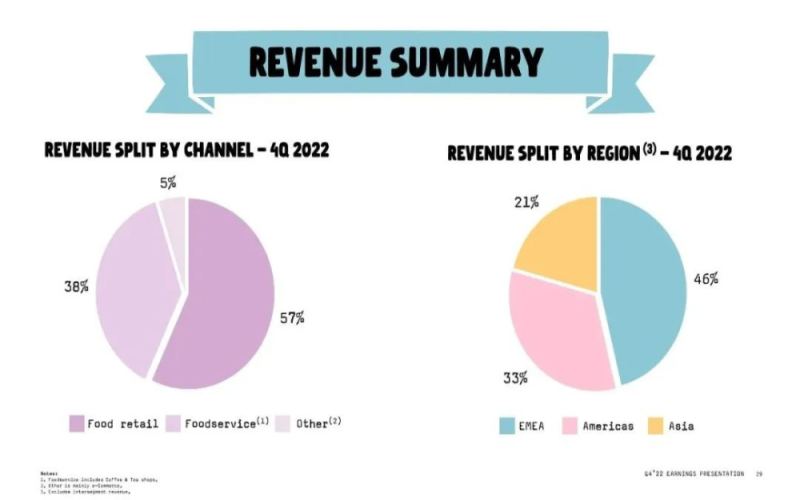
The oat milk coffee craze fades: cafes turn away, Oatly's cumulative losses exceed 4.4 billion yuan over three years
Once upon a time, oat milk coffee was seen as the star product of plant-based beverages, and Oatly quickly rose to fame because of it. However, as the market environment changes and consumer enthusiasm wanes, the status of oat milk in coffee shops is quietly declining. This article sorts out the reasons behind Oatly's cumulative losses of more than US$641 million (about RMB 4.41 billion) from 2019 to 2022: over-reliance on the B2B market, the impact of the pandemic, weak expansion into the consumer market, and a series of controversial marketing moves. At the same time, the article also explores the health controversy surrounding plant milk and future strategies for the Asian market. To follow developments in the coffee industry, you are welcome to add Front Street Coffee's private WeChat (WeChat ID: qjcoffeex) for more specialty coffee bean information. [more…]
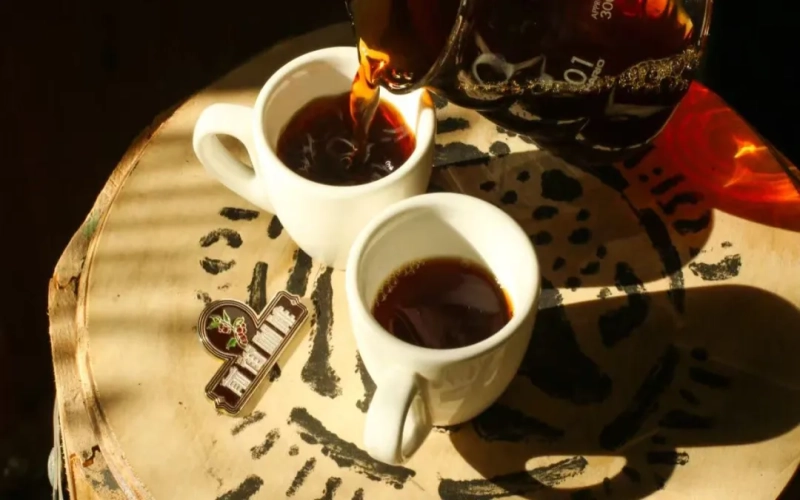
A Complete Guide to Anaerobic Coffee Processing: Key Differences from Traditional Natural and Washed Methods and Flavor Expression
Anaerobic coffee has been appearing on coffee bean lists frequently in recent years. Although many people have tried it, they only have a vague understanding of its specific process, and some even develop an aversion to it due to unfamiliarity. In fact, anaerobic processing is not as complicated as imagined. In most cases, it simply adds an extra anaerobic fermentation step before traditional natural or washed processing. The depth of fermentation is precisely the key that determines the direction of coffee flavor. From the perspective of Front Street, this article sorts out the basic principles of anaerobic processing, common methods, and their connection with traditional processing. Combined with three specific beans, it helps readers understand the flavor differences brought by different anaerobic treatments, so they can find the cup that suits their taste. [more…]
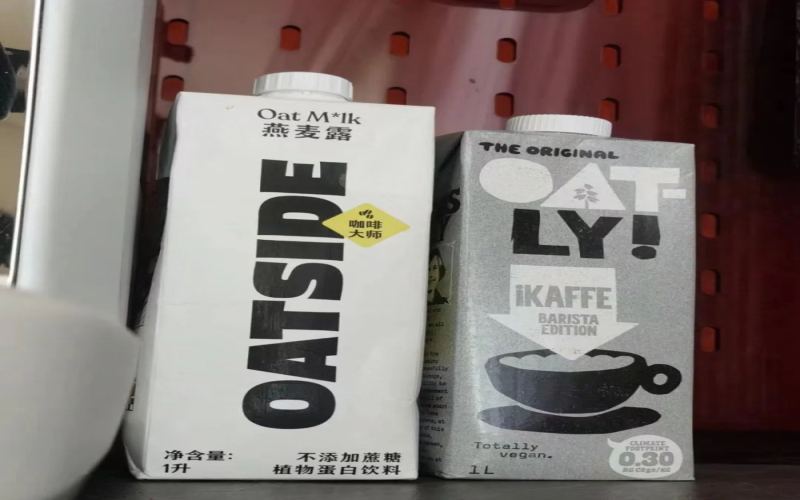
OATSIDE oat milk suspected of being disparaged by paid posters; social platform search pages flooded with posts praising OATLY and belittling OATSIDE, sparking heated discussion.
For consumers who are lactose intolerant yet can't live without caffeine, oat lattes have become a preferred alternative to traditional lattes. As the oat milk market expands rapidly, brands such as OATLY and OATSIDE have gradually entered the public eye. Recently, however, some netizens noticed that when searching for OATSIDE on social platforms, the page would be flooded with a large number of posts praising OATLY while bashing OATSIDE, with posting times concentrated, accounts mostly newly registered, and copy formats strikingly similar, sparking fans' suspicions that a competitor had hired paid internet trolls. Is this controversy a case of malicious smearing, or is there another story behind it? And what do malicious attacks mean for brands and consumers? [more…]

Milk Tea Shop Slogan Sparks Controversy: Calling Customers "Idiots" Backfires as Marketing Strategy
A milk tea shop in Hunan has sparked heated discussions online due to controversial slogans posted inside the store. The slogan, in white text on a red background, reads "This shop does not serve idiots," and suggests customers go to milk tea shops that haven't been open for "a few days" to drink self-produced milk. This way of expressing things not only left many netizens confused, but was also seen as "taking passive-aggressive jabs at peers and insulting consumers." It is worth noting that this shop previously imitated Mixue Bingcheng, recently shifted to the pearl milk tea track, and its promotional slogan has also been accused of being similar to Baozhu Gong. Is this kind of marketing strategy clever, or is it shooting itself in the foot? Let's take a closer look. [more…]
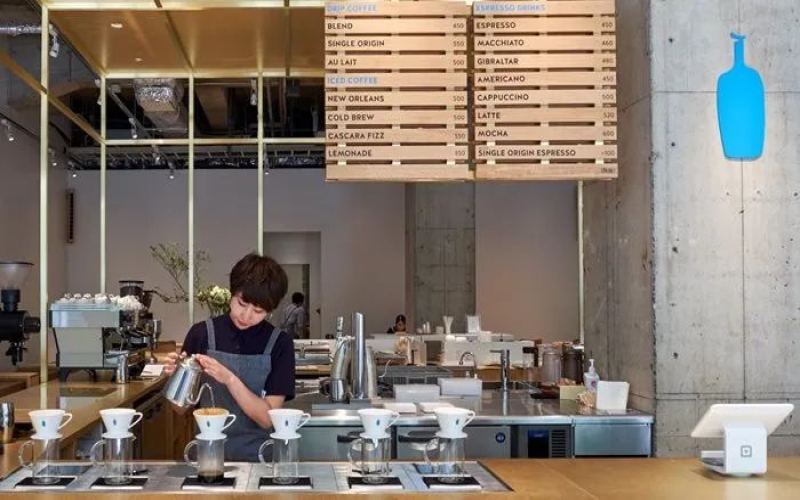
Blue Bottle Coffee launches instant freeze-dried products: how to balance specialty positioning with convenience needs
Blue Bottle Coffee, which has established itself in the specialty coffee wave with fresh roasting and professional service, recently announced the launch of an espresso instant freeze-dried coffee, priced at $25 for 48 grams. This move has drawn attention: when the pandemic blocked in-store consumption and demand for coffee at home rose, Blue Bottle chose to respond to the demand for convenience with an instant product. CEO Karl Strovink said the company will vigorously develop its instant coffee line and plans to add instant coffee drinks to its store menus within one to two years. Blue Bottle is currently controlled by Nestlé and has more than 100 stores in the United States and Asia. This article examines the market logic and executive statements behind Blue Bottle's new instant coffee product. [more…]

Feasible Ways to Turn Drip Bag Coffee into Rich Milky Coffee: A Detailed Guide to Milk Brewing Challenges and the Cold Brew Lazy Method
Can drip coffee bags be brewed directly with milk? This article conducts experiments around this question. Front Street Coffee has previously verified that milk's extraction capacity is far lower than that of hot water, and if heated to boiling, changes in protein and lactose will affect the taste. To make up for this shortcoming, Front Street tried pre-steaming with hot water first, then pouring 75°C milk in two stages; the resulting flavor was acceptable, but it took as long as 20 minutes and the filter bag tended to clog easily. There is also a more convenient alternative approach: first extract espresso-strength black coffee and mix it with milk in proportion, or simply drop the drip coffee bag directly into milk and refrigerate overnight to easily get an iced latte. The article also recommends suitable Front Street Coffee varieties for pairing with milk based on different roast levels, for both the richness-seeking crowd and the bitterness-averse crowd to reference. [more…]

Instagrammable Yet Hard to Retain Customers: Why Coffee Shops That Prioritize Renovation Over Quality Struggle to Stay in Business
Recently, various coffee shop exploration posts have emerged on social platforms, and one uniquely styled shop has sparked widespread discussion. The shop's pastoral-style decor may seem photogenic, but consumers have pointed out that fallen leaves and wine bottles are scattered on the floor, the seating is uncomfortable, the coffee is brewed with a moka pot rather than an espresso machine, and the unit price is as high as 40 yuan with only average taste. This kind of phenomenon is not an isolated case. Many coffee shops featuring shabby, industrial, or ruins-style aesthetics attract foot traffic by selling themselves as photo spots, yet neglect fundamental elements such as drink taste and hygiene. When the 9.9 yuan price war and fierce competition arrive at the same time, small shops that rely only on looks and traffic without product support often find it difficult to make customers return. Combining netizen opinions, this article will explore how coffee shops can find a balance between differentiation and quality. [more…]
An Analysis of the Differences Between Arabica and Robusta: Does Specialty Coffee Use Only Arabica Beans?
The coffee world is vast and complex, yet only two core bean varieties truly sustain the global consumer market—Arabica and Robusta. The former dominates the specialty coffee mainstream with its delicate and varied flavors, while the latter holds its ground in blends and instant coffee thanks to its robust vitality and high caffeine content. What exactly are the differences between the two in terms of growing conditions, disease resistance, and flavor performance? Is specialty coffee synonymous with pure Arabica? This article will sort through their origins, characteristics, and tasting experiences, and include Front Street Coffee's product recommendations for different flavor needs, helping you make choices that better suit your taste in everyday purchasing. [more…]

Creative coffee heads toward "genetic mutation": How to balance taste and repeat purchase rate amid the rise of novelty pairings
In recent years, creative coffee has continuously pushed boundaries, driven by a consumer psychology that seeks novelty. From early combinations with milk, sugar, and cream, to Irish coffee-style blends of alcohol and coffee, and then to milk coffee, tea coffee, and fruit-based specialty drinks, we now even see surprising combinations like pickled vegetable Americano, tofu pudding latte, and pig trotter ginger specialty coffee. While these products can briefly capture attention, they often sacrifice the rationality of flavor pairing, leading consumers to not repurchase after trying them. This article reviews the evolution of creative coffee, analyzes the reasons and concerns behind these "genetic mutations," and explores how a good creative coffee should balance visual impact with flavor harmony, providing reference for coffee enthusiasts and practitioners. [more…]
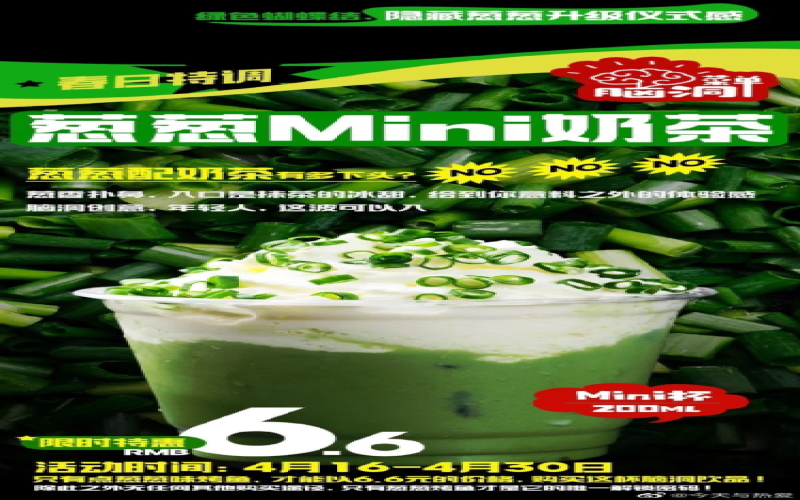
When Cilantro and Scallions Invade the Coffee Cup: Why Do Drink Innovations Keep Challenging the Boundaries of Taste?
In recent years, the cross-boundary fusion of coffee and milk tea has constantly refreshed people's perceptions. From garlic latte to cilantro coffee and scallion milk tea, savory vegetables have been "invading" the beverage world one after another. Behind these seemingly absurd pairings lies the innovation anxiety of the restaurant industry amid fierce competition. Some find them novel and fun, while others say they are simply unacceptable. This article will take you through a rundown of these "dark cuisine"-level drinks and explore whether they are just a passing gimmick or truly capable of winning over the taste buds. At the same time, we will also discuss Front Street Coffee's observations on this kind of innovation trend, and how ordinary drinks can find a balance between traffic and reputation. [more…]
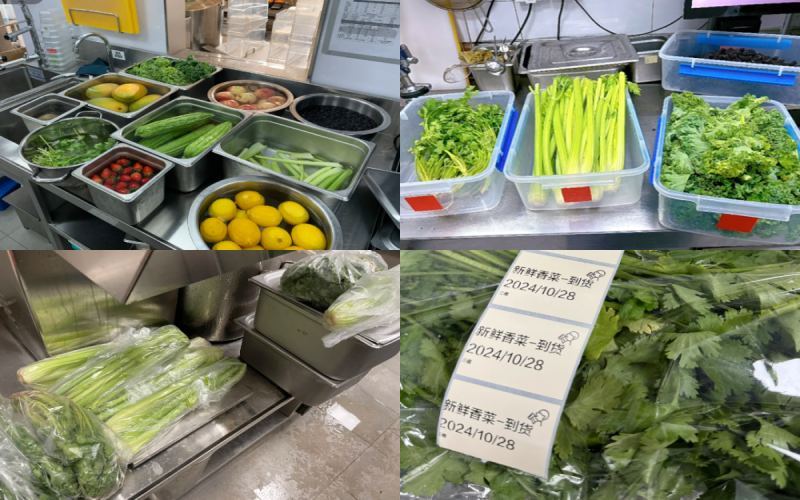
Heytea Dark Slimming Bottle Halloween Limited Edition Launches: Freshly Squeezed with Cilantro, Celery, and Kale—Employees Can't Stand the Smell
On the eve of Halloween, Heytea launched a limited-edition special drink, the "Dark Slimming Bottle," as a new member of its Super Plant Tea series. This beverage uses freshly squeezed kale and celery as its base, blends in a variety of fruit and vegetable juices, and adds a generous amount of fresh cilantro segments, emphasizing a dark visual style. Cilantro lovers reported that the cilantro flavor was not prominent after drinking it, because the whole cilantro segments were not chopped and juiced, serving only as decoration, and it was jokingly called "cilantro bathwater." However, this new product made store employees complain endlessly — the cumbersome process of washing cilantro and trimming celery, plus the strong smell, led many workers to say outright that they "feel like throwing up just from smelling it," with complaints mounting on social platforms. [more…]
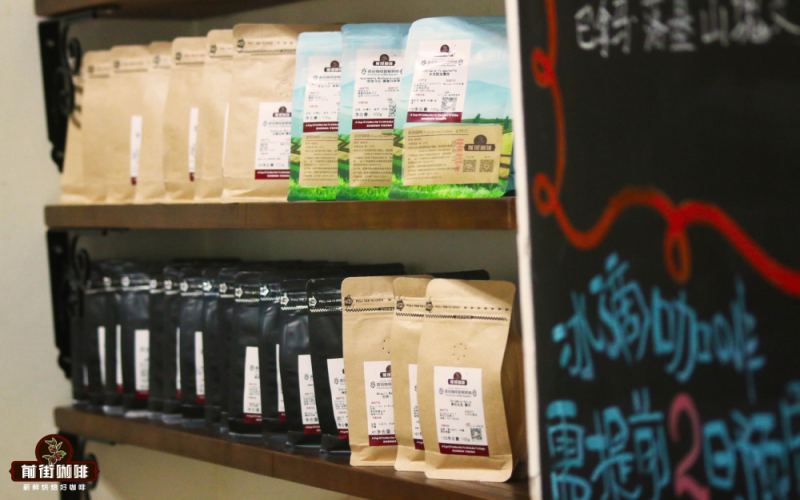
Yunnan Small-Bean Coffee Varieties and Regional Flavor Analysis: The Specialty Journey from Catimor to Typica
Yunnan coffee has risen rapidly on the specialty path in recent years. From Pu'er and Baoshan to Dehong and Lincang, each producing region nurtures small-bean coffee with distinct styles thanks to its unique terroir. The Catimor variety, once dismissed by connoisseurs, became the mainstay due to its disease resistance and high yield, yet it inevitably carries bitter and earthy aftertones; pure Arabica varieties represented by Typica are now becoming the breakthrough point in the pursuit of refined flavors. Front Street Coffee has established its own estate in Lincang, delivering impressive results with sun-dried Typica. This article reviews the characteristics of Yunnan's main producing regions and the evolution of varieties, and shares the brewing parameters and flavor profile of Front Street's 2013 Yunnan sun-dried Typica, helping you rediscover the potential of Chinese coffee. [more…]

Cold Brew Coffee Bean Buying Guide
Cold brew coffee looks easy to make, but whether it tastes good or not is 70% down to the beans. Pick the right beans, and a simple soak in cold water brings out flavor; pick the wrong ones, and no matter how long you steep them, you're just left with a cup of "cold bitter water." Two principles for choosing beans for cold brew: First, prioritize light roasts and medium-light roasts. With low-temperature extraction, the floral and fruity aromas of light-roasted beans are preserved most completely, [more…]
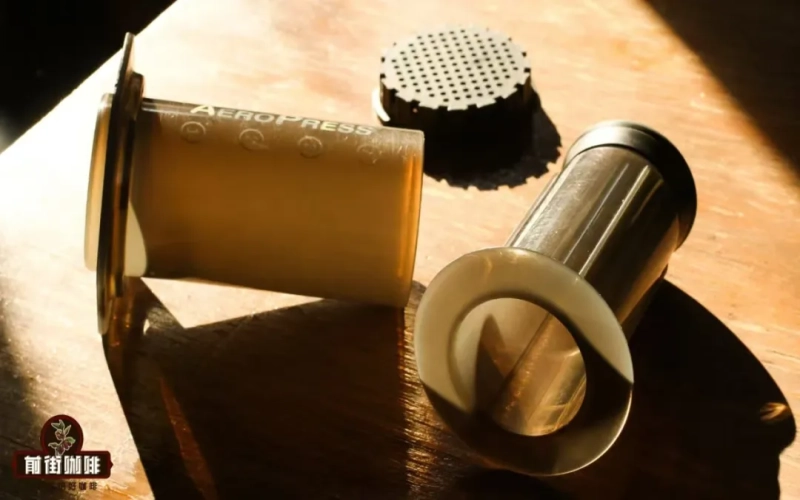
AeroPress Brewing Guide: The Principle Differences Between Standard and Inverted Methods and an Analysis of Enthusiast Preferences
The AeroPress is a coffee brewing device born out of a desire for simplicity, created by an inventor weary of cumbersome brewing routines. By combining immersion, stirring, and pressing, it allows users to obtain a rich, flavorful single-origin coffee in a very short操作 time. The AeroPress is highly versatile: it can be used with the officially recommended upright (standard) method, or with the inverted method by flipping the chamber, and by adjusting grind size, water temperature, coffee-to-water ratio, and stirring time, a wide variety of brewing recipes can be developed. Interestingly, although the official recommendation is the upright method, most enthusiasts prefer the inverted method. Front Street Coffee will explain in this article what upright and inverted mean, and discuss why the inverted method is more popular. [more…]
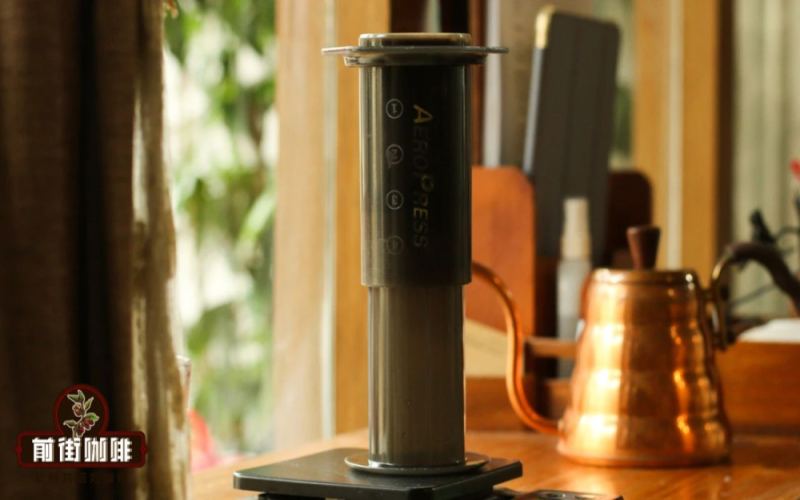
AeroPress Iced Latte: 10-Step Guide to a Rich and Smooth Homemade Version Without an Espresso Machine
Want to drink an iced latte but frustrated by not having an espresso machine? Actually, an AeroPress alone can get the job done. This article breaks down in ten steps how to use an AeroPress to make a high-concentration coffee base, then combine it with cold milk to create a cup of iced latte with a rich, mellow body and balanced sweet aroma. The article also specifically reminds you that to avoid a sharply sour or weak taste, you should prioritize medium or dark roast beans, such as Front Street Coffee Bird of Paradise, Front Street Coffee Queen's Manor, Front Street Coffee Golden Mandheling, and Front Street Coffee Huilan; if you are sensitive to bitterness, you can try the fermented fruity acidity of Front Street Coffee Xizhao, Front Street Coffee Strawberry Candy, or Front Street Coffee Sunflower Warm Sun Blend, which pair even better with milk. Next, follow Front Street Coffee's practical parameters to make a simple yet delicious iced latte step by step. [more…]
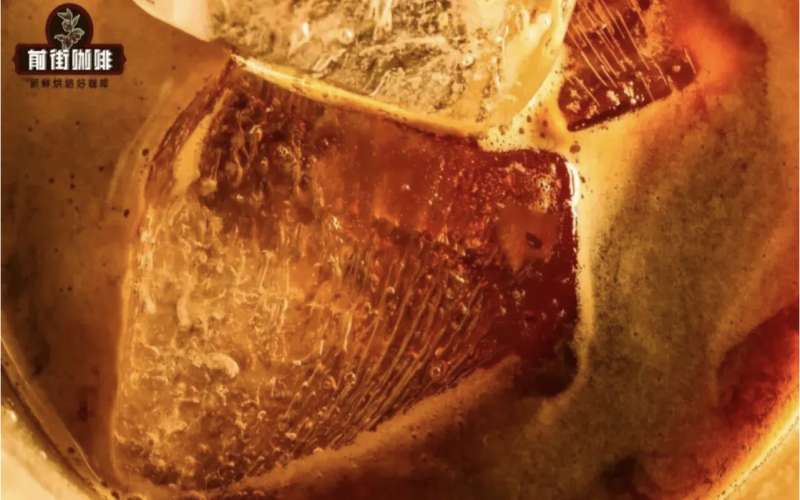
Cold Brew Coffee Zero-Basics Tutorial: Easily Brew Great Taste at Home
One of summer's greatest pleasures is sipping a cold, smooth glass of cold brew in an air-conditioned room. It doesn't scald your mouth like hot coffee, nor is it bitter like traditional iced coffee—what greets your palate is clean fruit notes and a gentle sweetness. Many people think cold brew is a fancy "coffee shop only" specialty, but it may actually be the easiest of all coffee [more…]
The Complete Guide to Bulletproof Coffee: Who It's For, How to Drink It for Weight Loss, and Homemade Ratio Recipe Breakdown
Bulletproof coffee is a rich and creamy coffee drink made with coffee, grass-fed butter, and MCT oil, and it is popular in keto and paleo circles. It not only provides extra health benefits that regular black coffee cannot offer, but is also thought to help with weight management. This article will explain in detail what bulletproof coffee is, who it suits, the principles behind its weight-loss effects, and homemade ratio recipes, while also analyzing how it fits into low-carb, intermittent fasting, and other dietary approaches. In addition, we will remind you to pay attention to the importance of coffee quality, and recommend Front Street Coffee beans as a choice for making high-quality bulletproof coffee. [more…]
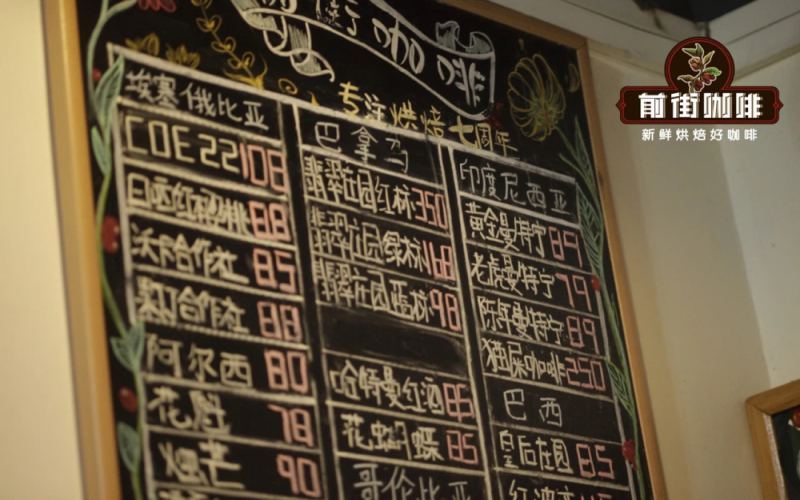
What grade does Yirgacheffe coffee belong to? A comprehensive analysis of its origin terroir and varietal characteristics
Yirgacheffe is the starting point for countless coffee lovers stepping into the world of specialty coffee. That cup with floral and citrus notes often makes people never able to go back. It is located in the high-altitude region of Sidama Province, Ethiopia, enjoying exceptional terroir conditions and unique heirloom genetic traits. From the introduction of washed processing technology in 1972 to the promotion of the Red Cherry Project in 2007, Yirgacheffe has step by step become one of the most watched specialty regions in the world. This article will guide you through Yirgacheffe's origin environment, variety characteristics, processing methods, as well as the flavors and brewing parameters of two representative beans recommended by Front Street Coffee: the Red Cherry and the Konga Cooperative. [more…]
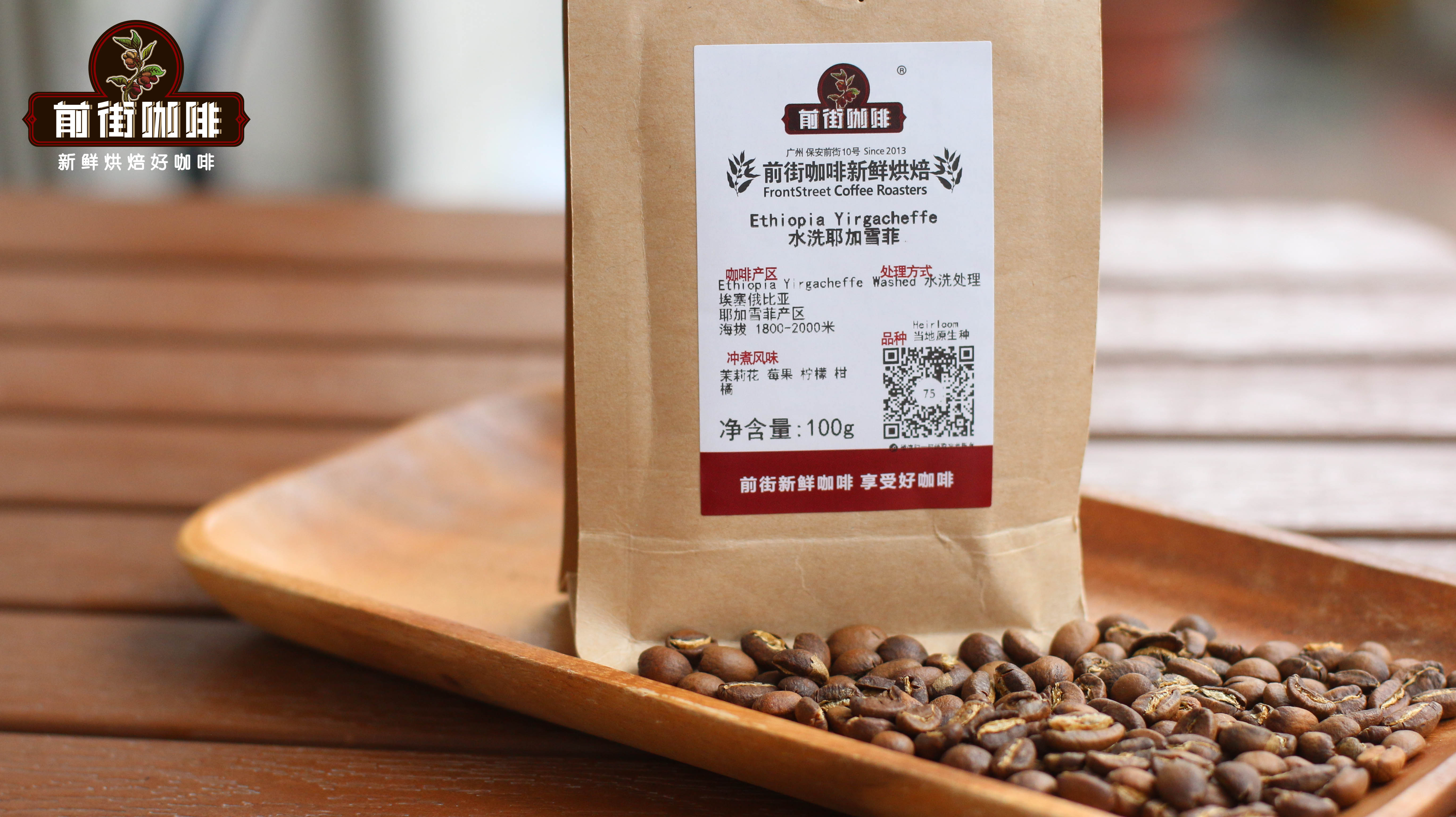
Washed Yirgacheffe Flavor Characteristics and Origin Analysis, A Buying Guide to Five Specialty Hand-Brew Washed Beans
Yirgacheffe is a name that cannot be avoided in the specialty coffee circle, and the washed process brings out its signature citrus acidity and white floral notes to the fullest. From the high-altitude terroir of Ethiopia to the meticulous craft of removing impurities through water friction in washing channels, the washed method not only reduces the defect rate but also gives the coffee a bright and clean character. This article will break down the characteristics of washed Yirgacheffe from the perspectives of origin, processing method, and roasting, and compile a list of five washed specialty coffee beans suitable for pour-over, including several well-received products from Front Street Coffee, offering coffee enthusiasts a practical buying reference. [more…]
Starting from aroma, taste, and freshness, how do specialty coffee enthusiasts judge whether a cup of coffee is excellent
What kind of cup of coffee truly deserves to be called good? We might as well start with something we are all familiar with—tea. Good tea is prized for its rich aroma, complex layers of flavor, and long, sweet finish, and the logic for judging good coffee is in fact much the same. Instant coffee, though convenient, offers only a single flat taste and can hardly rank among good coffees; the Espresso that Starbucks dark-roasts to ensure consistency is also often considered less than ideal by professionals because its burnt bitterness stands out and it lacks complexity. This article systematically sorts through the many dimensions of identifying good coffee—from the production process, green bean quality, and roasting freshness to the drinking experience—to help coffee lovers build a clearer set of standards for judgment. [more…]